
Written Practice Lesson Ppt Download
1 Without using mathematical tables or a calculator, evaluate #(28 times )/(0645 times 2175)# 2 a)Expand the expression #(3x7)(2x7)# b)Without using long multiplication or a calculator, use the above expansion with an appropriate Let x, y, z > 0 satisfy x y y z z x 2 x y z = 1 Prove that 4 x y z ≥ 2 The condition invites the factoring ( 1 x) ( 1 y) ( 1 z) x y z − 2 = x y z, but having the factor 4 in the desired inequality makes things more difficult algebraprecalculus inequality Share asked at 1013 nan 1,035 5 16 Add a comment
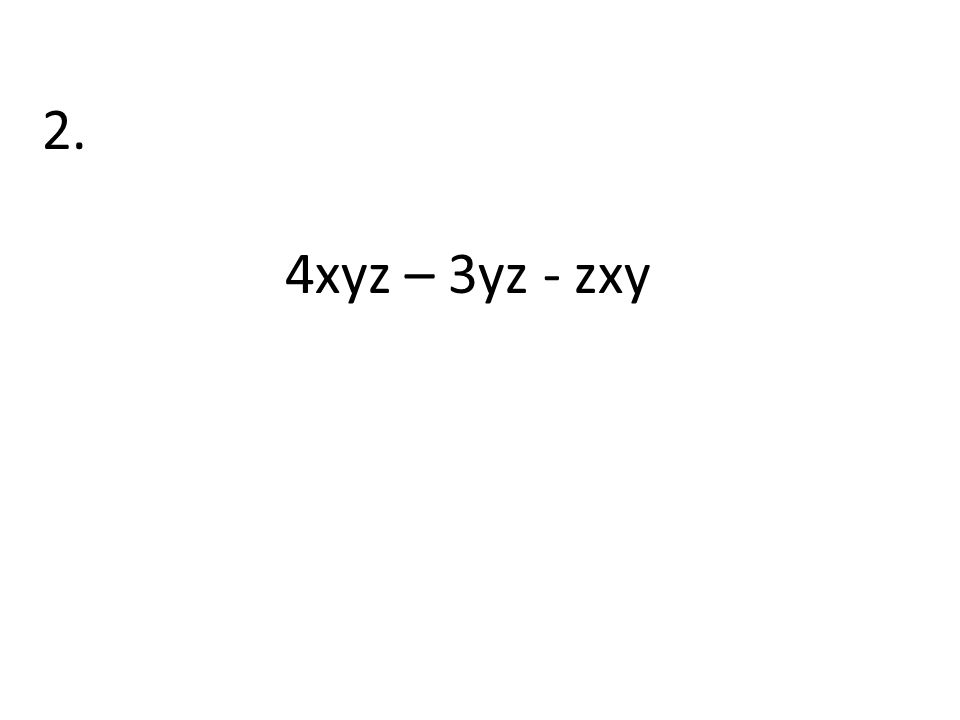
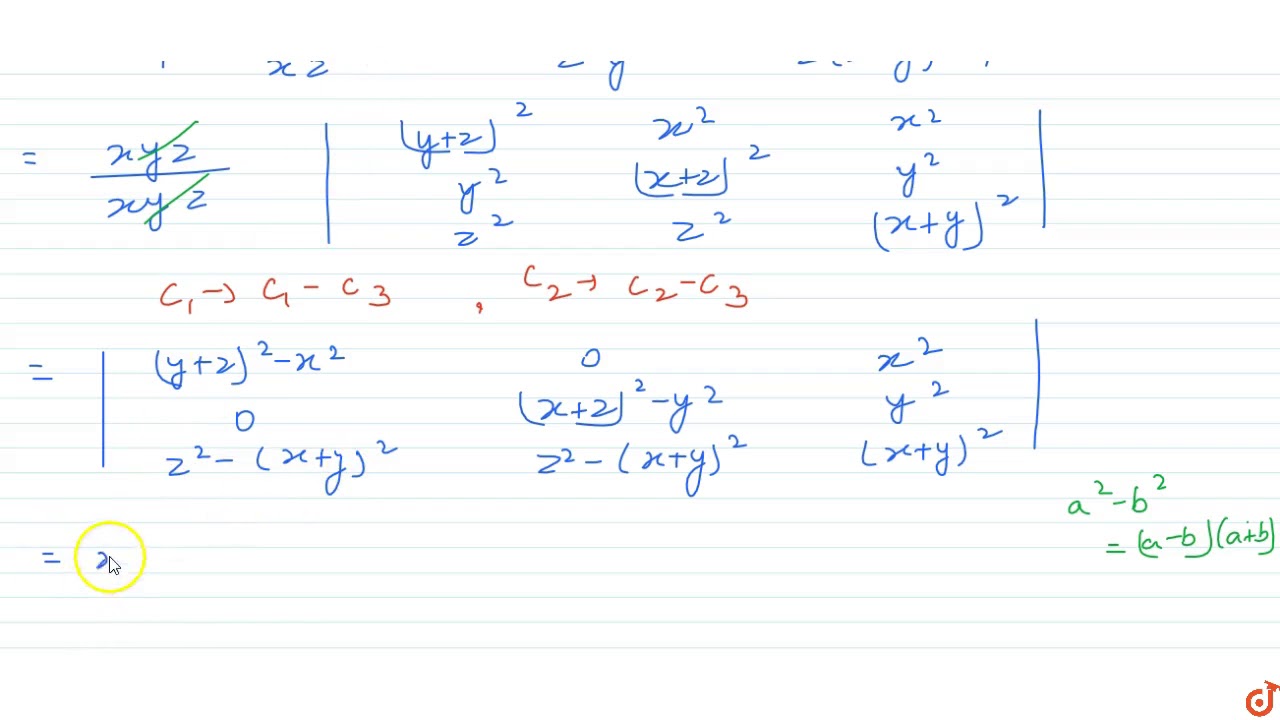
X^2 y^2 z^2-4xyz=1
X^2 y^2 z^2-4xyz=1-X^2y^2z^2=1 Natural Language Math Input Extended Keyboard ExamplesMOre MaTh, and it is the LAST OF IT!

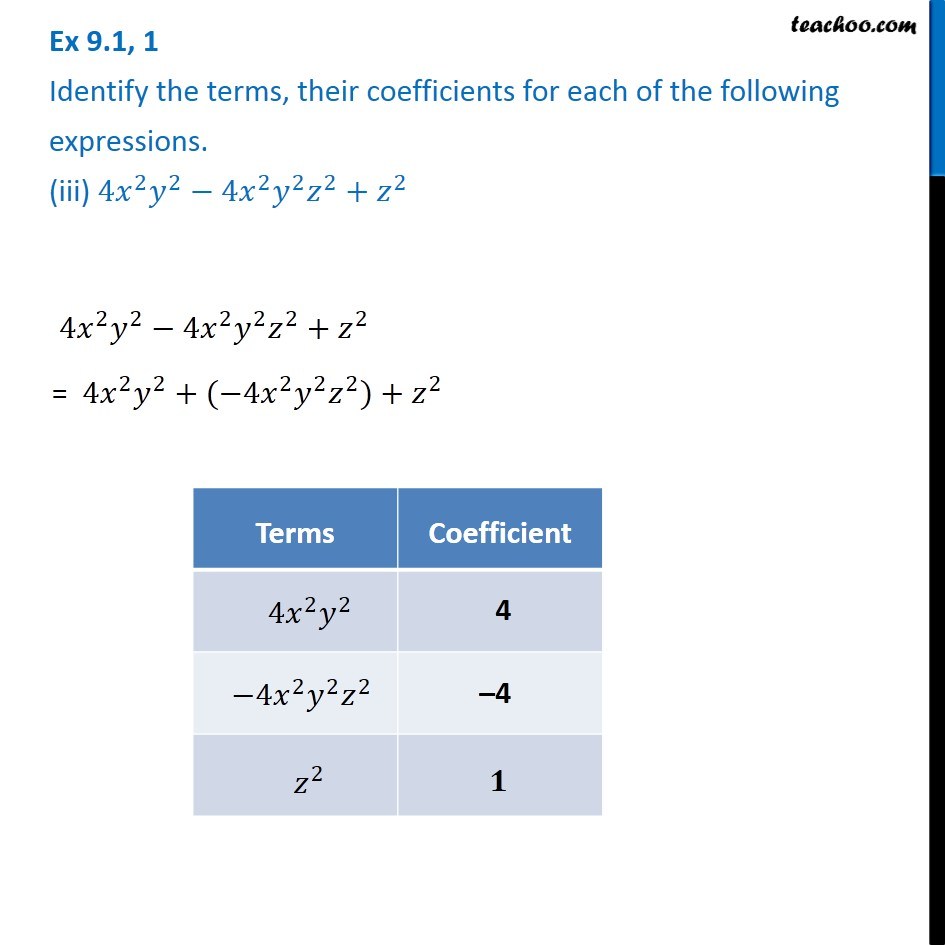
Find The Square Root Of I 4x 2 xy 25y 2 Ii X 6 1x 6 2 Iii 6x 2 X 2 3x 2 5x 2 2x 2 X 1
Solution for Find the partial derivative of u = x^2 y^2 z^2 4xyz Start your trial now!X^ {2}\left (yz\right)xy^ {2}yzz^ {2}=0 x 2 ( − y − z) x y 2 − y z z 2 = 0 This equation is in standard form ax^ {2}bxc=0 Substitute 1 for a, yz for b, and y^ {2}z^ {2}yz for c in the quadratic formula, \frac {b±\sqrt {b^ {2}4ac}} {2a} This equation is4 ab(x^2y^2)xy(a^2b^2) 5 ab(x^21)x(a^2b^2) 6 x^22xyy^24 7 x^2y^24x4 8 x^22xyy^21 9 9x^22xyx^2 10 25x^24xy4y^2 11 x^2xyxzxyz 12 x^22xy3xzx2y3z 13 4x^29y^24x6y 14 x^3y^32x^22y^2 15 x^2y^22xyyzzx 16 x^3y^3x^2yxy^2xz^2yz^2 Mọi người vào giải hộ em với, em đang cần
Extended Keyboard Examples Upload Random Compute answers using Wolfram's breakthrough technology & knowledgebase, relied on by millions of students & professionals For math, science, nutrition, history, geography, engineering, mathematics, linguistics, sports, finance, musicExtended Keyboard Examples Upload Random Compute answers using Wolfram's breakthrough technology & knowledgebase, relied on by millions of students & professionals For math, science, nutrition, history, geography, engineering, mathematics, linguistics, sports, finance, music x3y4z = 0 First we rearrange the equation of the surface into the form f(x,y,z)=0 x^22z^2 = y^2 x^2 y^2 2z^2 = 0 And so we have our function f(x,y,z) = x^2 y^2 2z^2 In order to find the normal at any particular point in vector space we use the Del, or gradient operator grad f(x,y,z) = (partial f)/(partial x) hat(i) (partial f)/(partial y) hat(j) (partial f)/(partial z
X^2 y^2 z^2-4xyz=1のギャラリー
各画像をクリックすると、ダウンロードまたは拡大表示できます
 Name Id 1 13 52 | Name Id 1 13 52 | Name Id 1 13 52 |
 Name Id 1 13 52 |  Name Id 1 13 52 |  Name Id 1 13 52 |
 Name Id 1 13 52 |  Name Id 1 13 52 | 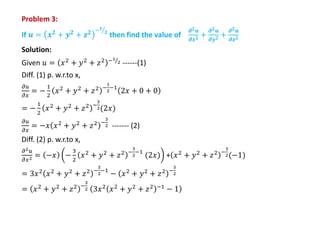 Name Id 1 13 52 |
  Name Id 1 13 52 | 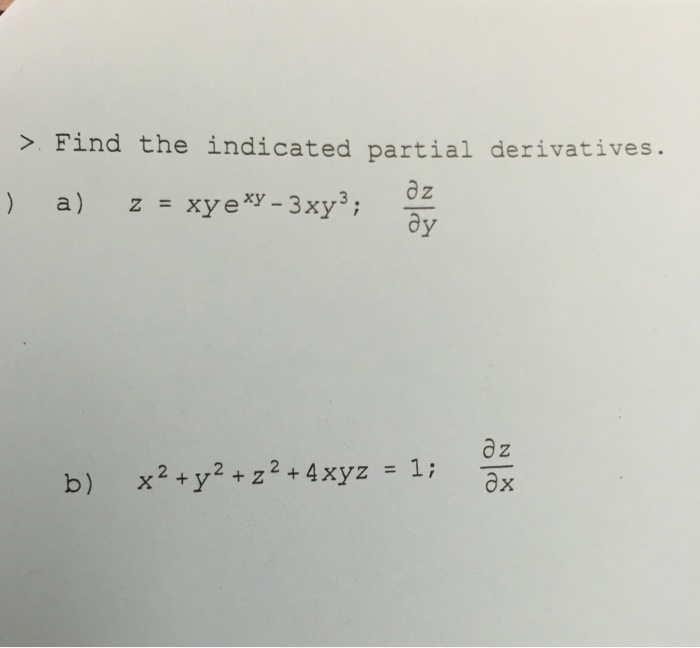 Name Id 1 13 52 |
 Name Id 1 13 52 |  Name Id 1 13 52 |  Name Id 1 13 52 |
 Name Id 1 13 52 |  Name Id 1 13 52 |  Name Id 1 13 52 |
 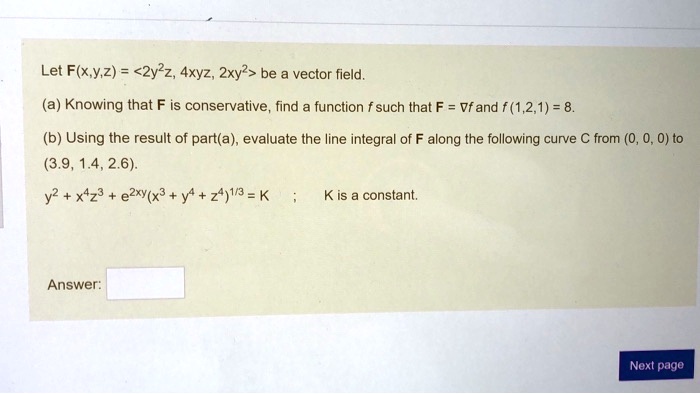 Name Id 1 13 52 |  Name Id 1 13 52 |
 Name Id 1 13 52 |  Name Id 1 13 52 |  Name Id 1 13 52 |
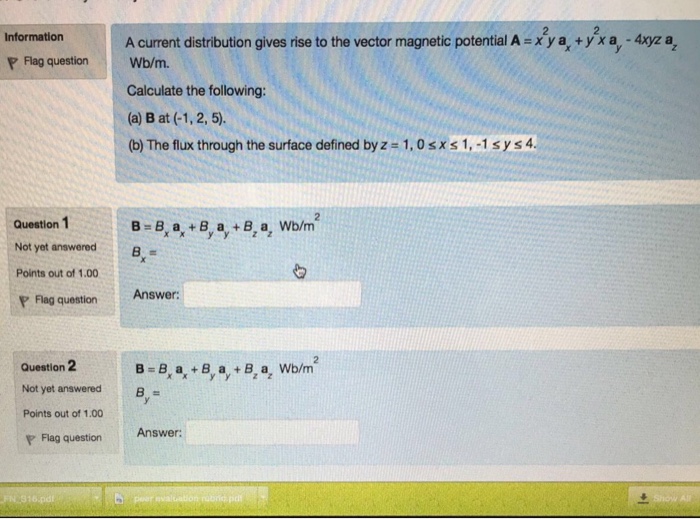 Name Id 1 13 52 | Name Id 1 13 52 |  Name Id 1 13 52 |
 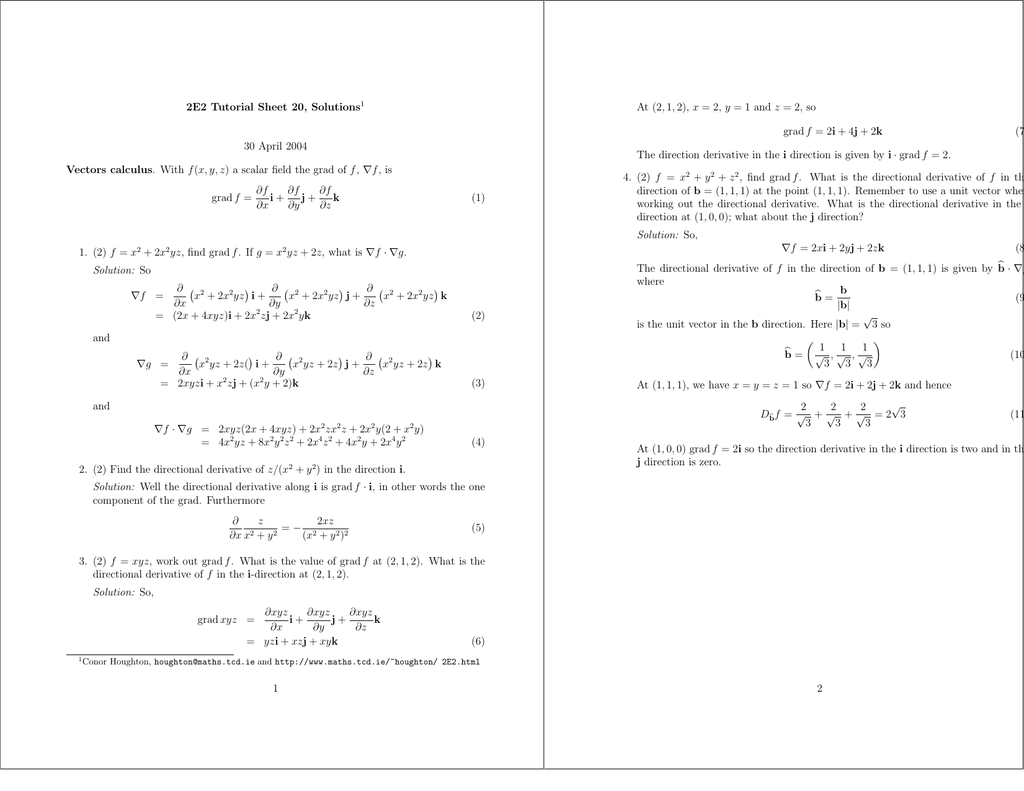 Name Id 1 13 52 | Name Id 1 13 52 |
Name Id 1 13 52 |  Name Id 1 13 52 |  Name Id 1 13 52 |
 Name Id 1 13 52 |  Name Id 1 13 52 | 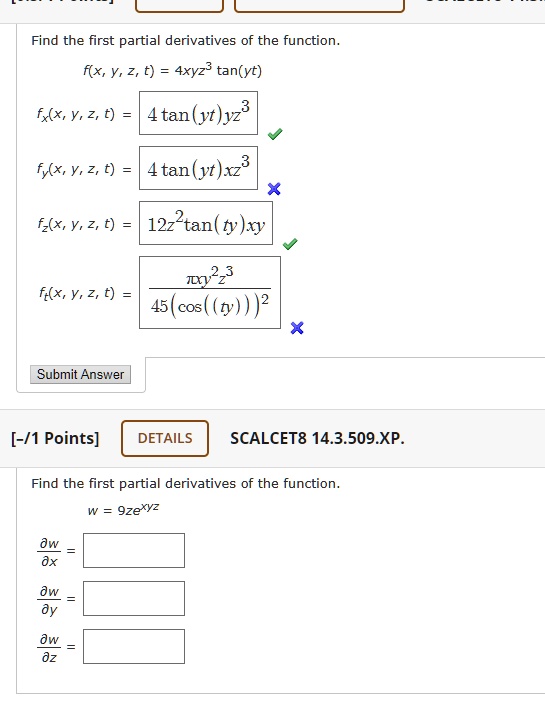 Name Id 1 13 52 |
 Name Id 1 13 52 |  Name Id 1 13 52 |  Name Id 1 13 52 |
 Name Id 1 13 52 | Name Id 1 13 52 |  Name Id 1 13 52 |
 Name Id 1 13 52 |  Name Id 1 13 52 |  Name Id 1 13 52 |
 Name Id 1 13 52 |  Name Id 1 13 52 |  Name Id 1 13 52 |
 Name Id 1 13 52 |  Name Id 1 13 52 |  Name Id 1 13 52 |
 Name Id 1 13 52 |  Name Id 1 13 52 |  Name Id 1 13 52 |
 Name Id 1 13 52 | Name Id 1 13 52 |
 Name Id 1 13 52 |  Name Id 1 13 52 |  Name Id 1 13 52 |
  Name Id 1 13 52 |  Name Id 1 13 52 |
 Name Id 1 13 52 |  Name Id 1 13 52 |  Name Id 1 13 52 |
Name Id 1 13 52 |  Name Id 1 13 52 |  Name Id 1 13 52 |
 Name Id 1 13 52 | Name Id 1 13 52 | Name Id 1 13 52 |
 Name Id 1 13 52 |  Name Id 1 13 52 |  Name Id 1 13 52 |
 Name Id 1 13 52 | 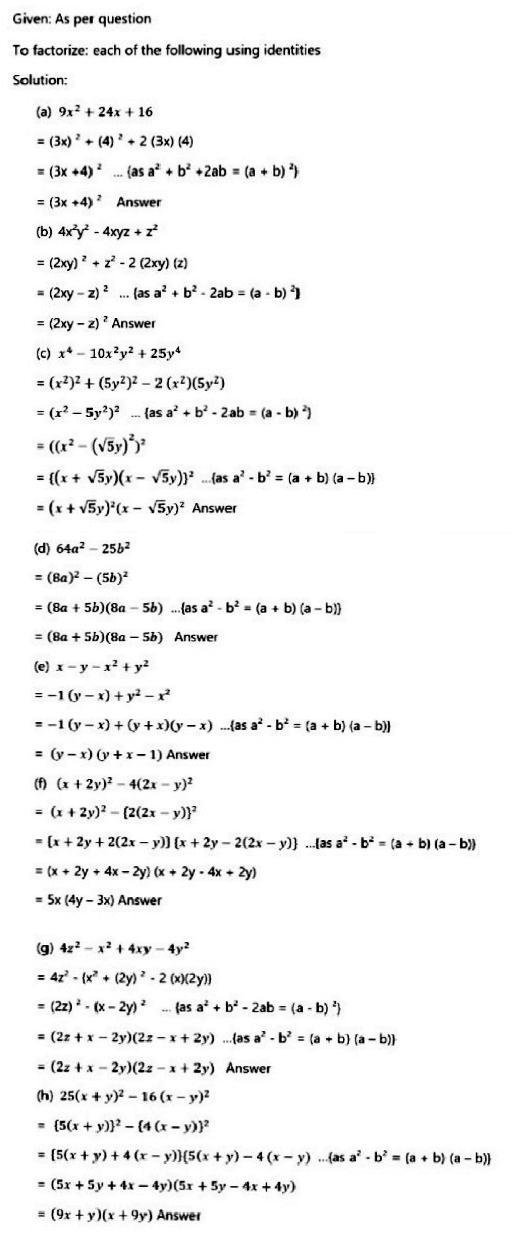 Name Id 1 13 52 |  Name Id 1 13 52 |
 Name Id 1 13 52 | 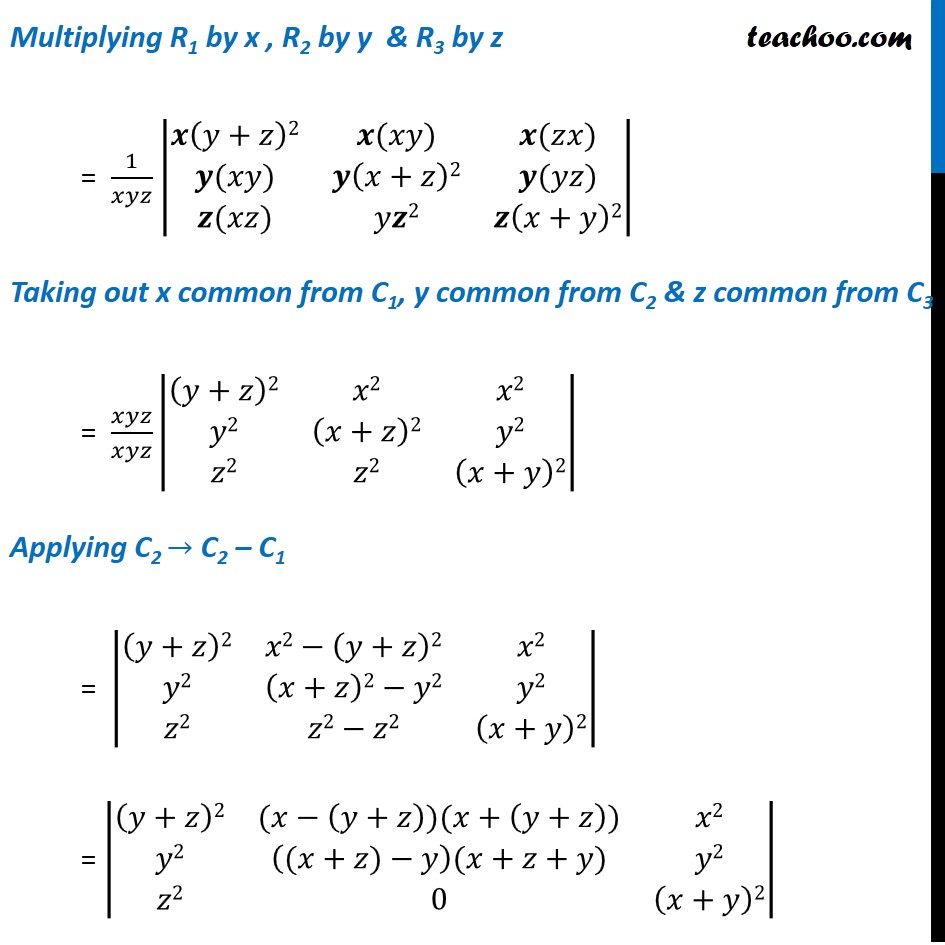 Name Id 1 13 52 | 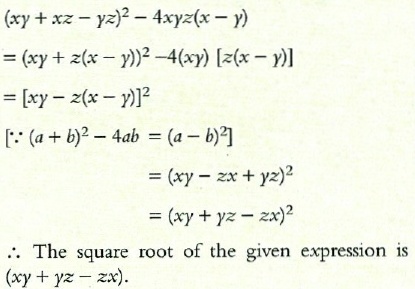 Name Id 1 13 52 |
 Name Id 1 13 52 | 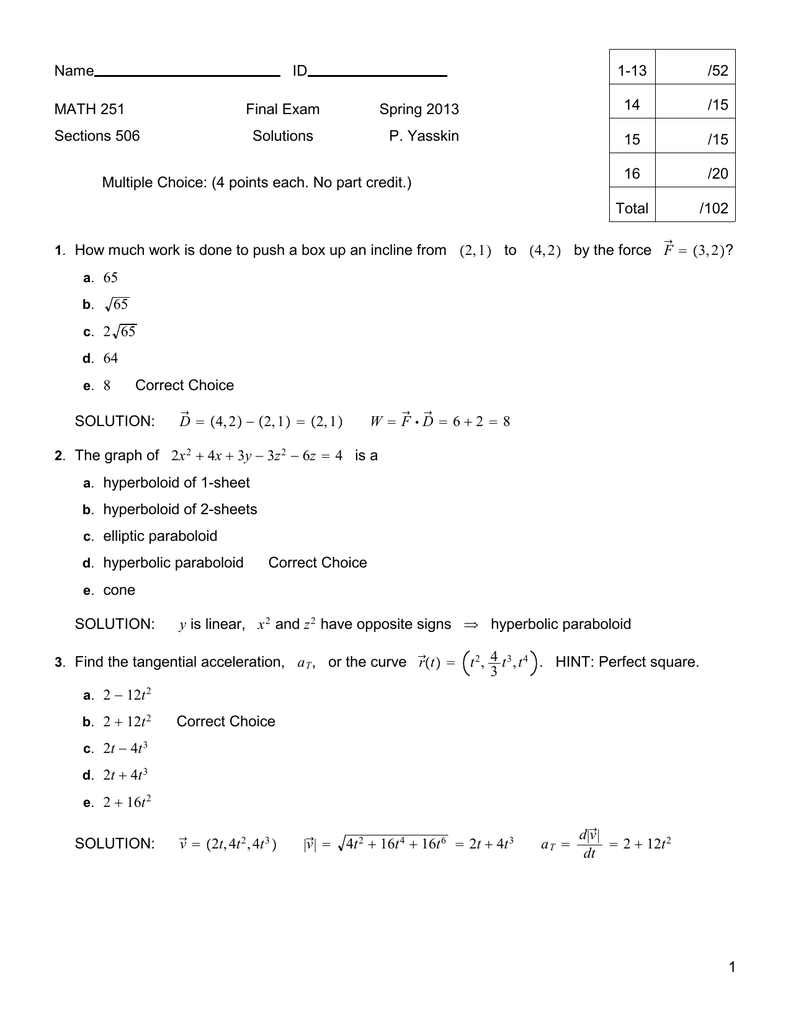 Name Id 1 13 52 |  Name Id 1 13 52 |
 Name Id 1 13 52 | 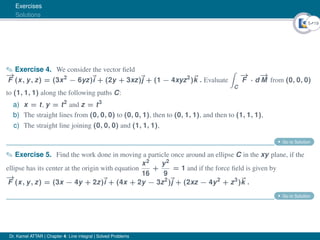 Name Id 1 13 52 |  Name Id 1 13 52 |
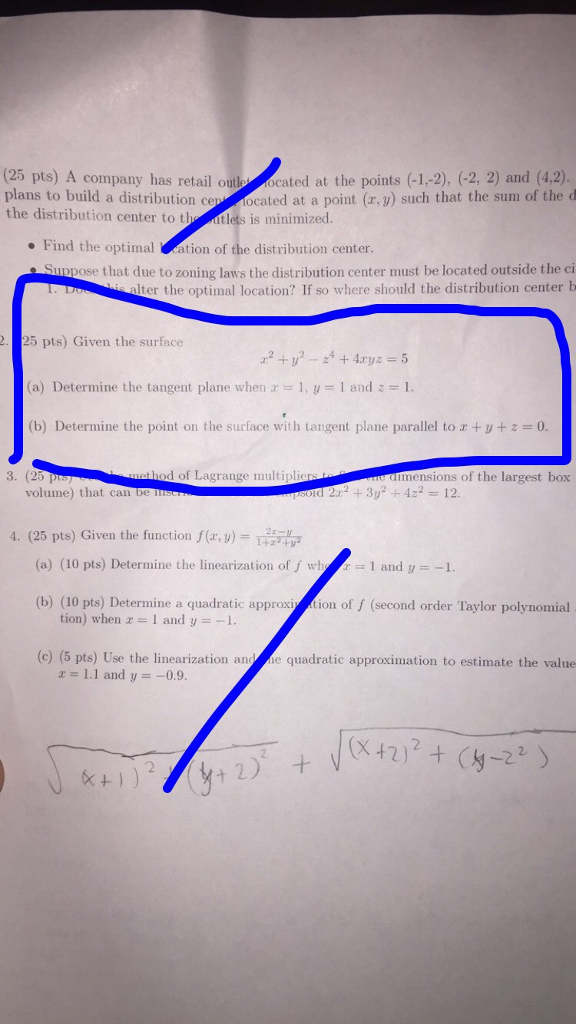 Name Id 1 13 52 | 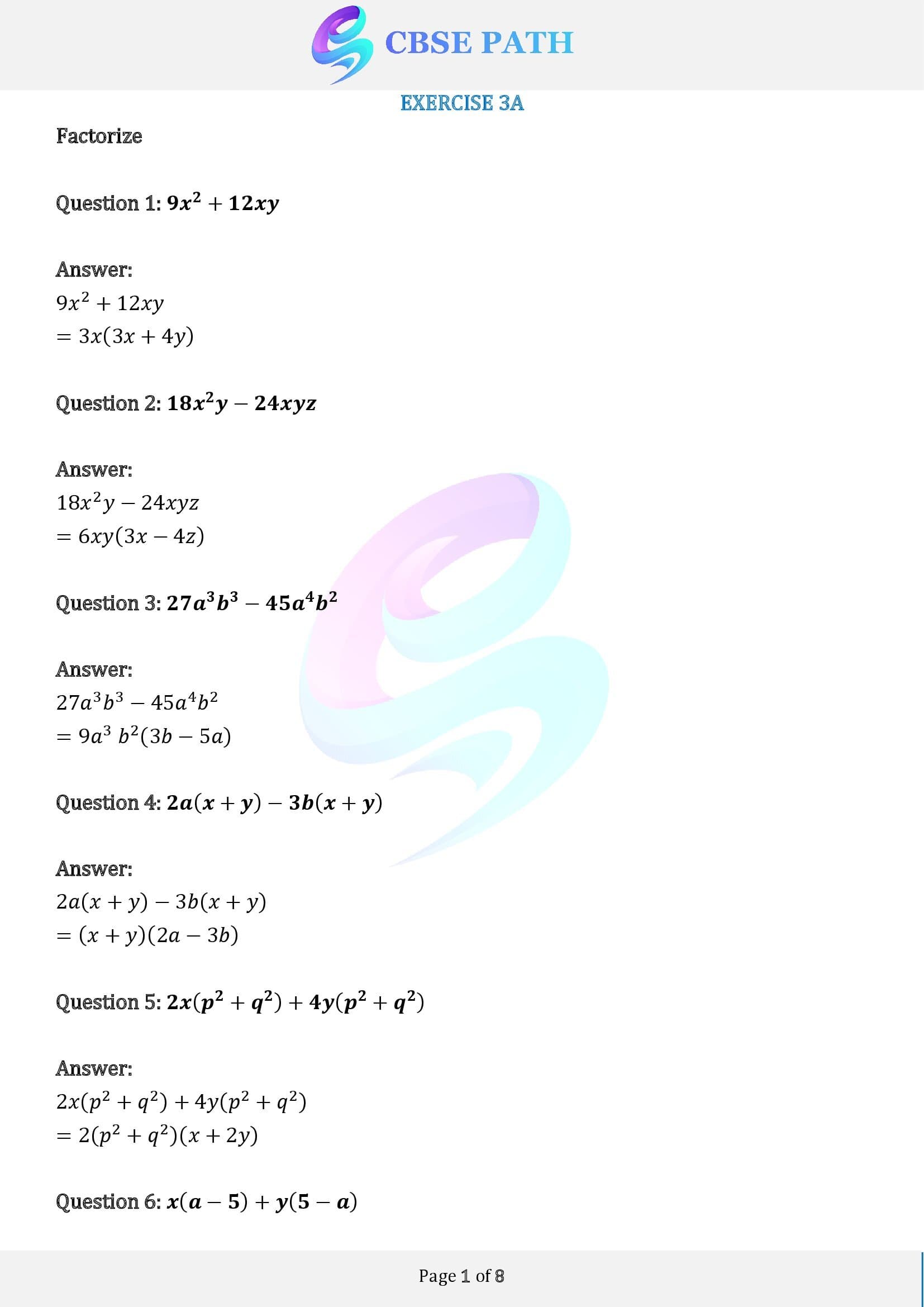 Name Id 1 13 52 |  Name Id 1 13 52 |
  Name Id 1 13 52 | Name Id 1 13 52 |
 Name Id 1 13 52 |  Name Id 1 13 52 | Name Id 1 13 52 |
 Name Id 1 13 52 |  Name Id 1 13 52 | Name Id 1 13 52 |
 Name Id 1 13 52 |  Name Id 1 13 52 | Name Id 1 13 52 |
 Name Id 1 13 52 |  Name Id 1 13 52 |
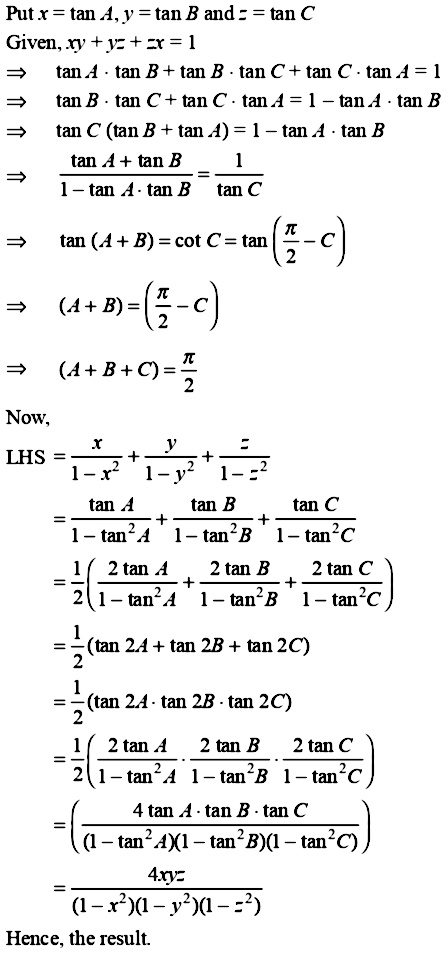
Best answer Let x = tanA, y = tanB, z = tanC Therefore tanA tanB tanC = tanA⋅tanB⋅tanC ⇒ A B C = π Hence, tan(2A 2B) = tan(2p – 2C) ⇒ tan(2A 2B) = –tan2C ⇒ tan2A tan2B tan2C = tan2A⋅tan2B⋅tan2C Please log inor registerto add a comment ← Prev QuestionNext Question → Find MCQs & Mock Test Free JEE Main Mock Test So substituting the values for the elementary symmetric polynomials that we found, we find that x, y and z are the three roots of t3 −t2 − 1 2t − 1 6 = 0 or if you prefer 6t3 − 6t2 −3t −1 = 0 In theory we could solve this using Cardano's method and directly evaluate x4 y4 z4, but the methods used above are somewhat easier


0 件のコメント:
コメントを投稿